About us

The Sismondi Rural Studies Laboratory brings together an interdisciplinary group of academics, researchers and professionals from different universities and regional contexts.

The team shares a common commitment: to analyse, understand and support transformation processes in rural areas, enhancing local knowledge, relationships and resources.

TheExecutive Board coordinates the Laboratory’s activities and defines its strategic directions, fostering dialogue between research, education, practice and communication.

Alongside the Executive Board, the Laboratory benefits from the active participation of members — including scholars, experts and practitioners — who contribute specialised expertise in the fields of agricultural economics, rural sociology, territorial governance, participatory design, education and social innovation.

The group’s work is grounded in a collaborative and transdisciplinary approach, in which the encounter between academic knowledge and place-based practice lies at the core of its scientific and cultural mission.

Members and Executive Board

The Executive Board of the Sismondi Laboratory is composed of the following members (in alphabetical order):
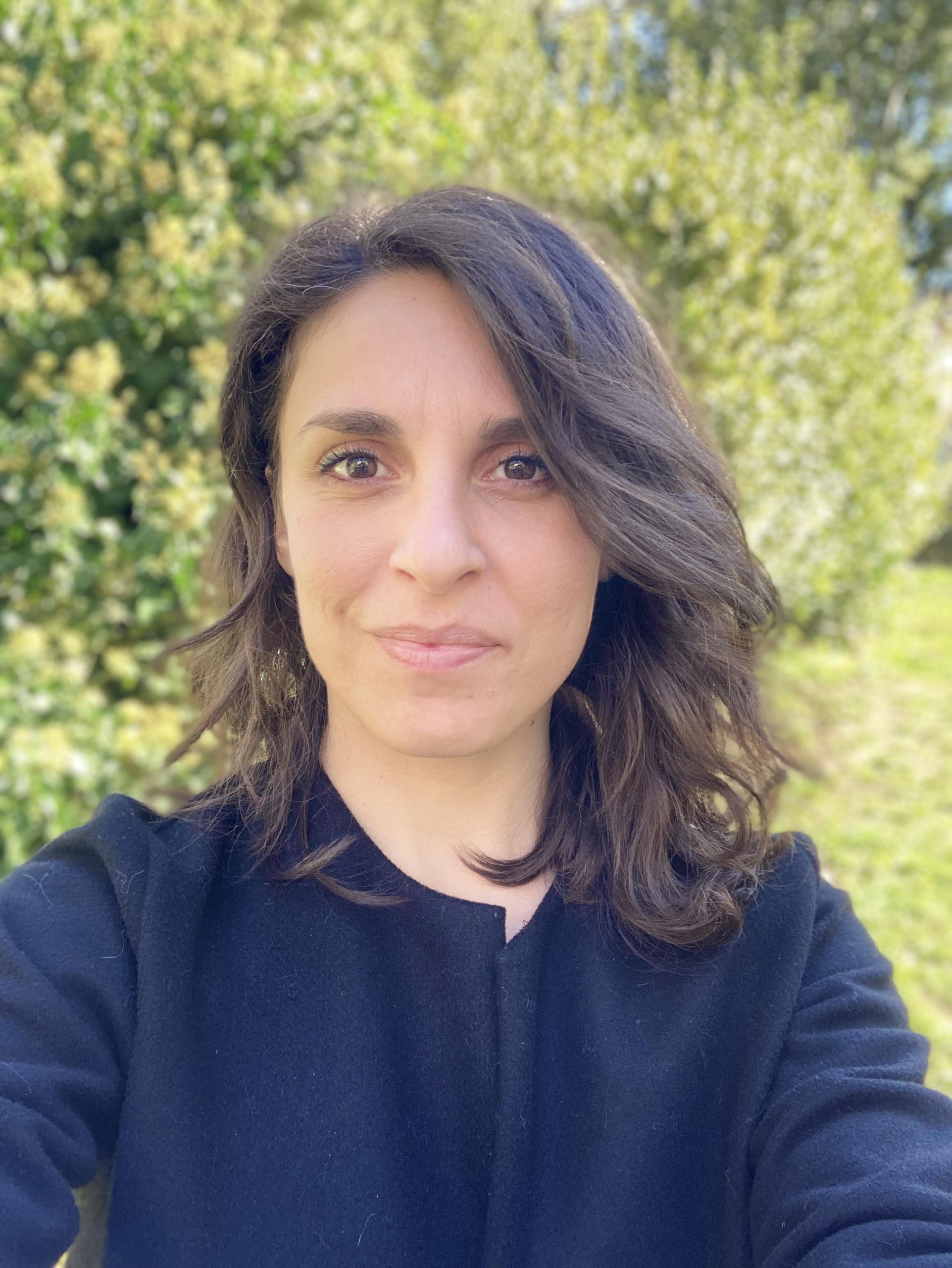
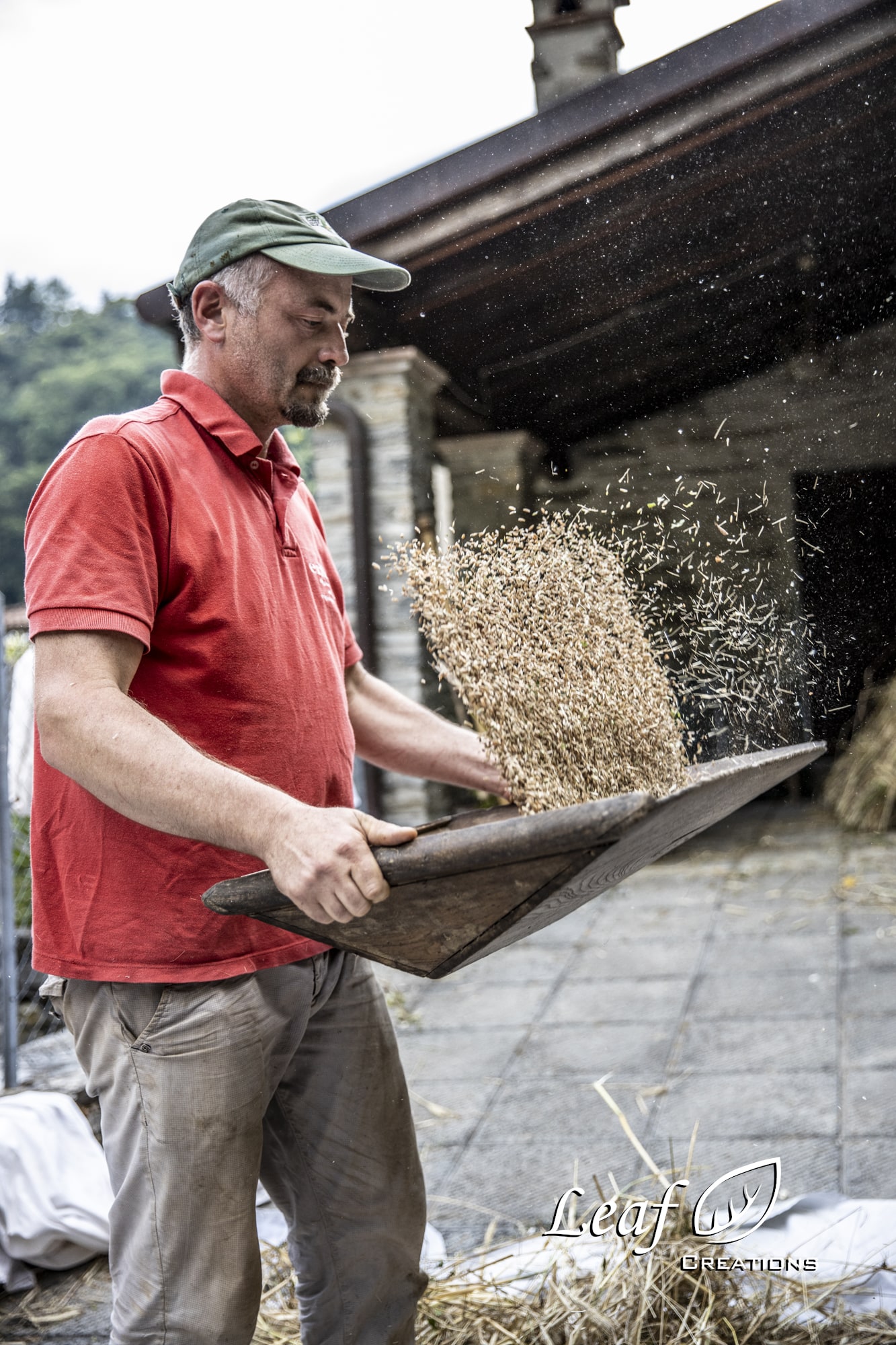
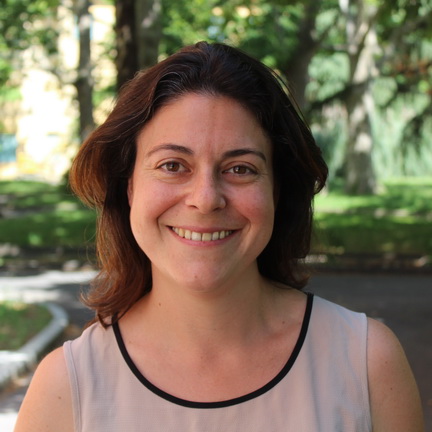
Sabrina Arcuri

Sabrina Arcuri is a researcher at the University of Pisa; her work focuses on food (in)security, sustainable food systems, and rural development. Her current research explores, among other themes, local food policies, the role of women in agriculture and rural areas, and the importance of transdisciplinary collaborations for sustainability.

She holds a PhD that investigates food poverty and charitable food distribution in wealthy countries, with particular attention to the Italian food assistance system and its intersection with food waste recovery. During her doctoral studies, she was a visiting student at the Sheffield Political Economy Research Institute (SPERI) at the University of Sheffield.

Previously, she worked as a post-doctoral researcher at the University of Florence, where she focused on rural tourism and the socio-economic dimensions of agro-biodiversity conservation. She currently teaches “Resources and Peace” at the University of Pisa and “Sustainability of Agri-Food Production and Rural Development” at the University of Siena.

Her expertise includes qualitative research, participatory methods, and foresight approaches

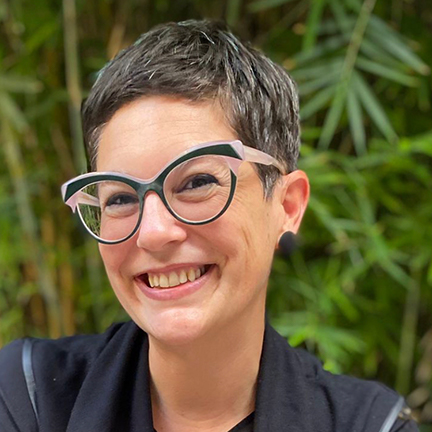
Francesco Felici

He lives in a small village in the Apuan Alps. The environment, development, and agriculture have always been his main areas of interest. He holds a degree in Environmental Economics from the University of Siena and a PhD in Agri‑Food Economics from the University of Parma.

He has worked as a researcher for public institutions and private companies on issues related to rural development and the evaluation of public policies, starting from the 2000–2006 programming period, both in Italy and abroad.

He has been a member of Sismondi since 2012, where he has contributed to several projects, ranging from the ex‑ante evaluation of the Tuscany Rural Development Programme 2014–2020 to the more recent Green Land project for the Union of Municipalities of Garfagnana.

Silvia Innoncenti

Silvia innocenti is currenlty working for the agricultural division of Tuscan regional Government. She has more thab ten years of professional experience in the areas of agriculture, food and forestry. Her work as a researher focused on supporting participatory decision-making processes through the application of various facilitation techniques (e.g. World Cafè, Focus groups, Scenario workshops) in collaboration with public bodies, civil society organisations and businesses.

She holds a degree in Organic and multifunctional agriculture from the University of Pisa. Since 2009, she is a member of the Association of Doctors of Agronomy and Forestry in the provinces of Pisa, Lucca and Massa Carrara. Before covering her role in regional office she worked at the Department of Agriculture, Food and Environment of the University of Pisa.

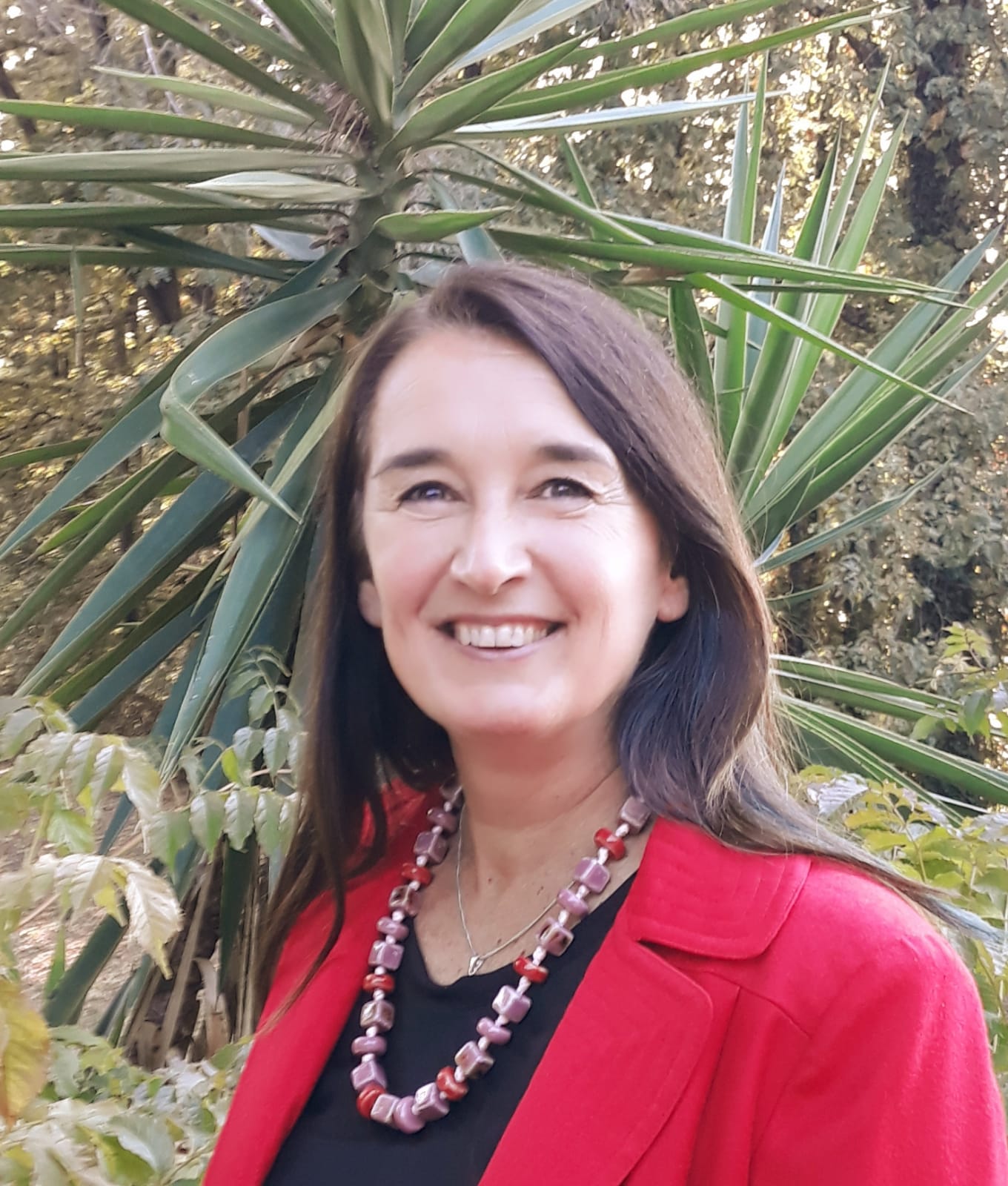
Sonia Massari

Sonia Massari (Ph.D. in Food Experience Design, University of Florence) is a researcher at the University of Pisa, within the PAGE research group, and teaches at ISIA Design Rome (Scenarios for Sustainability). She has more than twenty years of experience in food design and innovation, human–food interaction, sustainability education, and the co‑creation of agri‑food systems.

She directed Gustolab International for 13 years, served as Academic Director of the Food Studies program of the University of Illinois Urbana–Champaign in Italy, worked as a scientific consultant for the Barilla Foundation (2012–2023), and was Director of the Academy at the Future Food Institute (2020–2024).

She is the co‑founder of F.O.R.K. Food Design Organisation, the largest international non‑profit platform dedicated to food and design. She continues to teach and carry out consultancy activities in food design at numerous national and international universities and institutions. Her latest book is Food Design for the Real World (FrancoAngeli, open access). Her expertise includes design thinking and participatory methods applied to the facilitation of design processes and situated learning within Living Lab contexts

Cristina Santini

Cristina Santini is the Director of the Laboratory and an Associate Professor of Business Economics and Management at the Guglielmo Marconi University. She holds a degree in Business Management and a PhD in Business and Local Systems Management from the University of Florence, as well as a Master’s in Economics and Marketing of Wine Enterprises. She has further expanded her training through international programs such as EIT Food’s InfraBooster. She has been a visiting scholar at Sonoma State University and a visiting professor at several institutions, including San Francisco State University and the Arctic University of Tromsø. She also teaches in a master’s program at the Joanneum University of Graz and collaborates with U.S. universities on study abroad programs. She has gained professional experience working for multinational companies and Italian agrifood firms, and has served as a CEV System Expert for ANVUR and as an evaluator for the European Commission. Her work has been published in international scientific journals; she serves on several editorial boards, including the British Food Journal, and is Regional Editor of IFAMR as well as Editor of an Elsevier Book Series in Consumer Science and Strategic Marketing.